
What Life Is Really Like for Kids with Braces
Kids with braces usually experience a short adjustment period that includes soreness, eating changes, and self-consciousness, especially during the first week. Most kids adapt faster than parents expect, and daily routines, school life, and confidence often return to normal quickly with the right support.
What Does “Life With Braces” Actually Mean for Kids?
Life with braces means a child goes through temporary physical and emotional adjustments while their teeth slowly move into better alignment. These changes affect eating, oral care, school routines, and confidence, but they are expected and manageable.
For most kids, braces don’t dramatically change their lives. They mainly change how certain daily activities are done during the early weeks. Eating takes more thought, brushing takes longer, and kids may feel more aware of their smile at school.
A child may feel hesitant smiling in class photos during the first week but stop thinking about their braces entirely a few weeks later. As routines settle, braces become part of daily life rather than a constant focus.
The First Week With Braces Is Usually the Hardest
The first week with braces is often the most uncomfortable period for kids. This is when soreness, pressure, and awareness of brackets are strongest.
Teeth may feel tender, especially when chewing. Kids often eat more slowly and avoid foods that require biting. Talking can feel different at first, and some children become more aware of how their braces look around classmates.
A common situation is a child coming home from school saying lunch felt uncomfortable or that their teeth were sore at dinner. These feelings are normal and usually fade within a few days as the mouth adjusts.
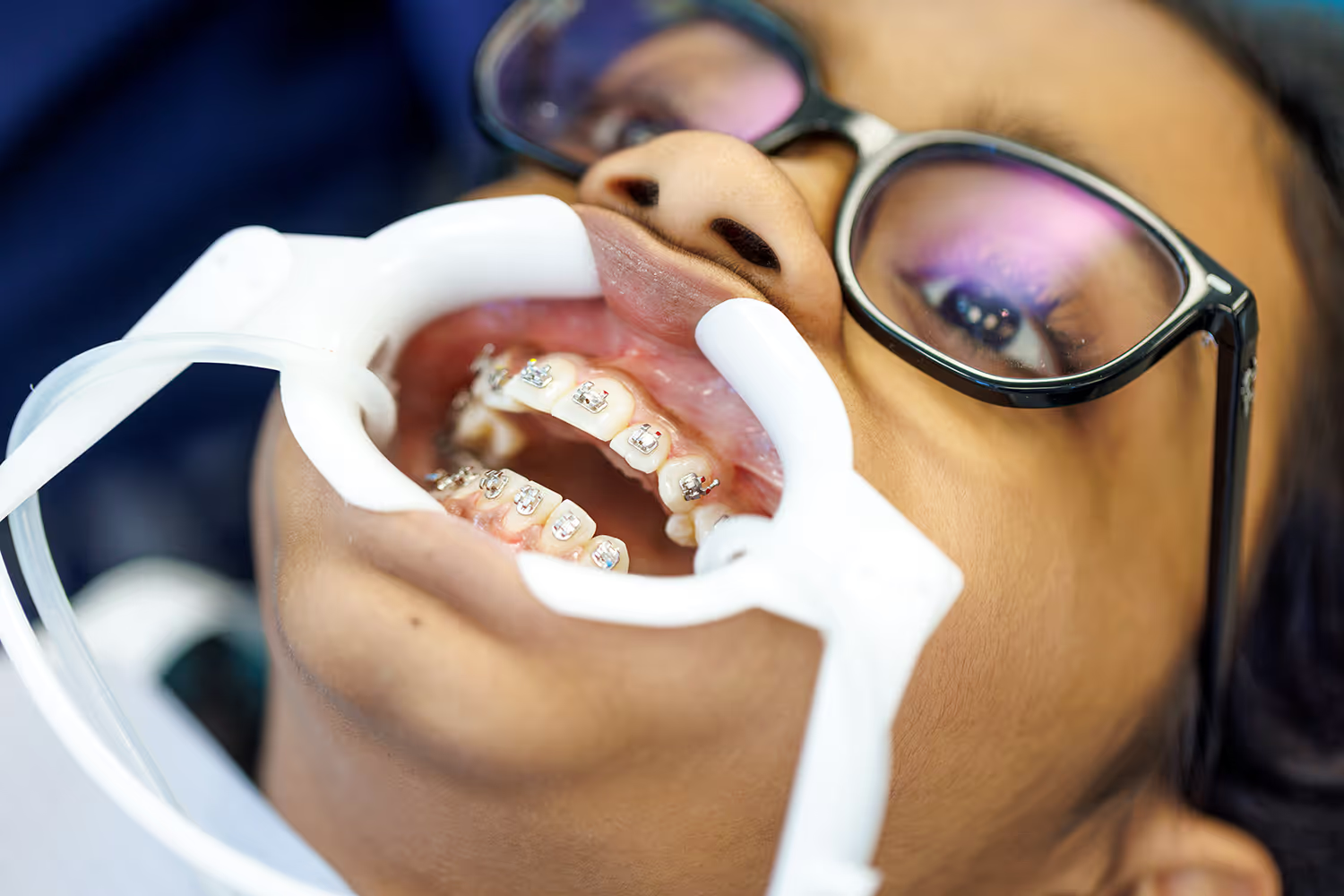
Eating With Braces: What to Avoid and What’s Okay
Kids can eat well with braces, but certain foods should be avoided to protect the appliances. Choosing softer, braces-friendly foods makes eating more comfortable and helps prevent damage.
Foods to Avoid With Braces
- Chewy foods like bagels and licorice
- Crunchy foods such as popcorn, chips, and ice
- Sticky foods including caramel candies and chewing gum
- Hard foods like nuts and hard candies
- Foods that require biting into, such as corn on the cob, apples, and carrots
Foods You Can Eat With Braces
- Dairy like soft cheese, pudding, and milk-based drinks
- Breads such as soft tortillas, pancakes, and muffins without nuts
- Grains including pasta and soft cooked rice
- Meats like soft chicken, meatballs, and lunch meats
- Seafood such as tuna, salmon, and crab cakes
- Vegetables like mashed potatoes, steamed spinach, and beans
- Fruits including applesauce, bananas, and fruit juice
- Treats like ice cream without nuts, milkshakes, Jell-O, and soft cake
A child might replace crunchy chips with yogurt or a soft sandwich at school during the first few weeks. These food choices quickly become routine.
Soreness, Irritation, and What Helps
Mild soreness after getting braces or after adjustments is normal for kids. Simple comfort strategies usually provide relief within a short time.
Teeth and gums may feel tender at first. Rinsing with warm saltwater can help soothe irritation. Mixing one teaspoon of salt into eight ounces of lukewarm water and gently swishing can reduce soreness.
Lips, cheeks, and the tongue may also feel irritated for one to two weeks as they adjust. Orthodontic wax placed over brackets or wires can prevent rubbing and discomfort. Many kids feel much better after using wax once or twice.
Loose Teeth, Wires, and Bands: What’s Normal
Loose teeth and appliance issues can happen during orthodontic treatment. Understanding what is normal helps parents and kids stay calm.
Teeth may feel loose because braces need to loosen them to move into the correct position. Once the teeth shift, they tighten again. This sensation is expected and temporary.
If a wire or band becomes loose, it’s important to contact the dental office. In the meantime, a loose wire can sometimes be gently pushed back using the eraser end of a pencil or the back of a spoon. Wax or a wet cotton ball can help relieve irritation until it’s fixed.
Taking Care of Braces and Appliances
Taking care of braces helps keep treatment on schedule. Damaged appliances can slow progress and extend treatment time.
Kids should follow instructions for wearing rubber bands, retainers, or other appliances exactly as prescribed. Consistent use allows teeth and jaws to move correctly.
For example, wearing rubber bands daily as instructed helps braces work efficiently, while forgetting them can delay results. Small daily habits make a big difference over time.
Playing Sports With Braces
Kids can continue playing sports while wearing braces with proper protection. Wearing a mouthguard helps protect both teeth and braces during physical activity.
Sports like soccer, basketball, or baseball usually don’t need to be stopped. A properly fitted mouthguard reduces the risk of injury.
If a sports-related accident occurs, parents should check for loose teeth or appliance damage and contact the dental office if needed. Rinsing with warm saltwater or applying wax can help with temporary discomfort.
How Parents Can Make Braces Easier for Their Child
Parental support plays a major role in how kids experience braces. Calm reassurance and simple preparation can reduce stress.
Listening to concerns without minimizing them helps kids feel understood. Packing braces-friendly lunches and keeping wax in a backpack makes school days easier.
Instead of saying, “It’s not a big deal,” parents can say, “It’s okay to feel uncomfortable at first, this part gets easier.” Small shifts in communication can boost confidence.
When to Talk to a Pediatric Dentist in Edison, NJ
Parents should reach out whenever they have questions or concerns about their child’s braces. Early guidance can prevent unnecessary stress.
Families in Edison, New Jersey often look for a pediatric dentist who understands both the physical and emotional sides of orthodontic care. At Dentistry for Kids, the focus is on helping children feel comfortable, confident, and supported throughout treatment.
If your child is getting braces or adjusting to them, you can contact Dentistry for Kids in Edison to ask questions or schedule a consultation when it feels right.
Frequently Asked Questions
No. Braces usually cause soreness during the first few days and briefly after adjustments. This discomfort fades as the mouth adjusts. Most kids say braces feel noticeable at first but don’t hurt daily once they settle into their routine.
Most kids adjust within one to two weeks. Eating, talking, and daily routines feel easier as soreness decreases. By the end of the first month, many children stop noticing their braces for most of the day.
Yes, but some foods need to be avoided to prevent damage. Kids can still enjoy a wide variety of meals by choosing softer options and cutting food into smaller pieces, especially during the early weeks of treatment.
Some kids feel self-conscious at first, especially during the first week. This usually improves quickly as classmates adjust and routines normalize. Support and reassurance at home help kids regain confidence faster.
Parents should contact the dental office as soon as possible. Until the issue is fixed, a loose wire can sometimes be gently pushed back, and orthodontic wax can be used to reduce irritation and discomfort.
Yes. Kids can continue playing sports while wearing braces as long as they use a mouthguard for protection. This helps prevent injuries to the teeth, lips, and braces during contact or high-impact activities.
We're located in North Edison on the border of Clark, Colonia, and Scotch Plains.
We proudly serve Edison, Metuchen, Woodbridge, South Plainfield, Scotch Plains, Westfield, and the surrounding areas.