
Common Orthodontic Questions Parents Ask Before Braces
Parents want clear answers about when their child needs braces, what treatment options exist, how long treatment lasts, and how braces affect daily life. This guide answers the most common orthodontic questions before braces so parents in Edison, NJ can make confident decisions before scheduling a visit.
What Are Braces and Why Do Kids Need Them?
Braces are orthodontic devices that move teeth and guide jaw development into healthier alignment. They correct bite problems, spacing issues, and crowding that can affect chewing, speech, and long-term oral health.
A child with crowded teeth may brush regularly but still develop cavities because toothbrush bristles cannot reach tight spaces. Braces create room for proper cleaning and function.
Braces apply steady pressure over time to move teeth into better positions. In children, orthodontic treatment can also guide jaw growth, which becomes more difficult to correct later in life.
Many parents believe braces only improve appearance. In reality, orthodontic treatment often prevents tooth wear, jaw strain, and uneven pressure that can lead to pain or damage over time.
Orthodontic care during childhood focuses on function, prevention, and stability. Understanding this helps parents see braces as part of overall health, not just cosmetic treatment.
When Should My Child See an Orthodontist?
Most children should see an orthodontist by age seven for an evaluation, even if they do not need braces yet. This visit helps identify growth or bite issues while the mouth is still developing.
For example, a seven-year-old with early crowding may not start treatment right away, but regular monitoring can prevent more serious problems later.
Early evaluations can reveal bite alignment issues, jaw growth concerns, or habits such as thumb sucking and mouth breathing. Addressing these early often reduces treatment time or complexity.
Parents often worry that an early visit means immediate braces. In most cases, orthodontists recommend observation and timing rather than treatment.
Waiting until all adult teeth erupt can limit options. An early evaluation gives parents information and planning, not pressure.
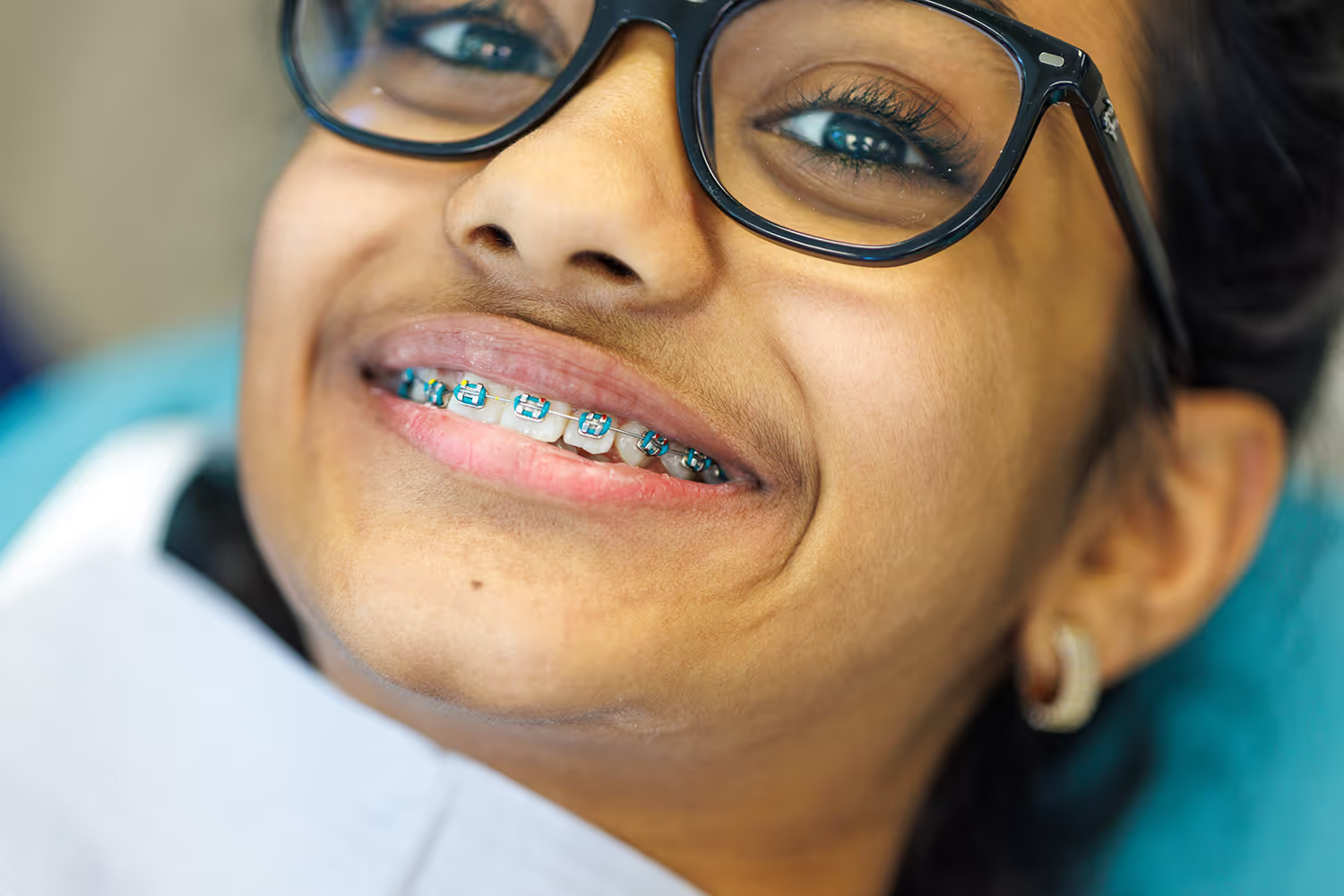
What Types of Braces Are Available for Kids?
Children have several orthodontic treatment options based on age, dental needs, and responsibility level. The most common options include metal braces, clear or ceramic braces, and Invisalign for kids and teens.
A younger child with a complex bite issue may benefit most from metal braces, while a responsible teenager may qualify for Invisalign aligners.
Metal braces remain the most reliable option for correcting significant alignment and bite problems. Clear or ceramic braces work similarly but appear less noticeable. Invisalign uses removable aligners and works best for mild to moderate cases when worn consistently.
Orthodontists recommend treatment based on effectiveness, growth patterns, and compliance. Preference alone does not determine the best option.
Understanding these differences helps parents focus on results rather than trends.
Comparison Table: Braces Options for Children
How Long Do Braces Take for Children?
Most orthodontic treatments for children last between 18 and 24 months. Treatment length depends on severity, growth, and how well instructions are followed.
A child with mild spacing issues who attends every appointment and avoids breaking brackets may finish treatment sooner than expected.
Some children need two-phase treatment. The first phase guides jaw growth or corrects early issues. The second phase aligns teeth after most adult teeth erupt.
Timelines serve as estimates, not guarantees. Growth patterns and biological response affect how quickly teeth move.
Clear expectations help families stay patient and engaged during treatment.
Do Braces Hurt? What Parents Should Expect
Braces cause temporary discomfort, especially during the first few days and after adjustments. Most children describe the feeling as pressure or soreness rather than sharp pain.
For example, a child may prefer soft foods for a few days after braces are placed or adjusted. Over-the-counter pain relief and orthodontic wax usually help.
Discomfort fades as the mouth adjusts. Modern orthodontic techniques use lighter forces than older methods.
Parents can prepare by offering soft meals and reassuring children that soreness does not last.
Pain should never feel severe or constant. Orthodontists can adjust treatment if discomfort becomes a concern.
How Will Braces Affect My Child’s Daily Life?
Braces require small adjustments, but most children adapt quickly and continue normal routines. Changes mainly involve eating, oral hygiene, and sports safety.
Children avoid sticky foods like caramel but still enjoy most meals with simple changes.
Sports participation usually continues with a mouthguard. Brushing and flossing take more time, but tools like floss threaders make hygiene manageable.
As children adjust, confidence often improves as they see progress.
Preparation and guidance reduce stress for both parents and kids.
What Happens at the First Orthodontic Visit?
The first orthodontic visit focuses on evaluation and education, not commitment. It helps parents understand their child’s needs and options.
Step-by-Step: A Child’s First Orthodontic Appointment
- Visual exam of teeth and bite
- X-rays or digital imaging if needed
- Discussion of findings and options
- Guidance on monitoring or treatment timing
For example, parents may learn that treatment can wait while growth is monitored. This clarity often relieves anxiety.
Parents should ask questions about timing, cost, and next steps.
Frequently Asked Questions
Orthodontics (also referred to as dentofacial orthopedics) is a specialized form of dentistry that focuses on the diagnosis, prevention, and treatment of dental and facial abnormalities. Orthodontic care improves tooth alignment, jaw function, and overall oral health.
An orthodontist is a dental specialist who completes two to three additional years of advanced training after dental school. Orthodontists are trained to straighten teeth, correct misaligned jaws, and improve bite function.
There is no “wrong” age to see an orthodontist. While the American Association of Orthodontists recommends children have their first evaluation around age seven, orthodontic treatment is not limited to children or teens. Many adults also benefit from orthodontic care.
No. Not every child needs braces. Many children only require monitoring as their teeth and jaws develop. An orthodontic evaluation helps determine whether treatment is needed now, later, or not at all.
It depends on your child’s age, dental needs, and level of responsibility. Braces work for all orthodontic cases, while Invisalign requires consistent daily wear to be effective.
Orthodontists consider a child’s maturity, habits, and ability to follow instructions before recommending treatment options. If cooperation may be an issue, fixed braces may be the best solution.
In some cases, waiting is appropriate. However, regular monitoring helps prevent orthodontic problems from becoming more severe over time.
Many orthodontic treatments go beyond cosmetics. Correcting bite and alignment issues can improve oral health, chewing function, and long-term dental stability.
Good oral hygiene is essential during orthodontic treatment:
- Brush after every meal
- Floss at least once a day
- Use fluoride toothpaste and ask about fluoride rinses
- Clean and store retainers properly
- Avoid sugary, sticky, and hard foods
- Continue dental checkups every six months
Braces are orthodontic appliances used to straighten teeth and correct bite issues. Types include:
- Traditional metal braces
- Clear braces
- Ceramic braces
- Lingual braces
- Self-ligating braces
- Invisible braces
Treatment time varies by patient. Orthodontic treatment typically lasts between six and 30 months, with most cases averaging around 22 months.
Braces generally do not hurt, though mild discomfort may occur for a few days after placement or adjustments.
Yes. Patients with braces should brush at least three times a day and floss daily to keep teeth and gums healthy.
Yes. Regular dental visits are especially important during orthodontic treatment to prevent cavities and gum disease.
Braces will not prevent participation in school activities, sports, or music. A mouthguard is recommended for contact sports.
We're located in North Edison on the border of Clark, Colonia, and Scotch Plains.
We proudly serve Edison, Metuchen, Woodbridge, South Plainfield, Scotch Plains, Westfield, and the surrounding areas.