
Is Nitrous Oxide (Laughing Gas) Safe for Children?
Nitrous oxide, also called laughing gas, is considered a safe and gentle form of sedation for children when used by trained pediatric dentists. It helps kids stay calm while remaining awake, wears off quickly after treatment, and is commonly used for dental anxiety or discomfort during routine procedures.
Is Nitrous Oxide (Laughing Gas) Safe for Children?
Yes. Nitrous oxide is widely considered safe for children when a licensed pediatric dentist administers and monitors it properly. It helps reduce anxiety and discomfort while allowing children to remain awake and responsive during dental treatment.
Nitrous oxide does not put a child to sleep. Instead, it creates a calm, relaxed feeling that helps children tolerate dental care more comfortably. Because the dentist controls the amount throughout the visit, they can adjust or stop it at any time. This level of control makes it one of the mildest sedation options used in pediatric dentistry.
Professional organizations such as the American Academy of Pediatric Dentistry recognize nitrous oxide as a commonly used sedation option for children when used appropriately.
A child who feels nervous about dental tools but can still follow instructions may receive nitrous oxide during a cavity filling. The child stays awake, answers questions, and often feels less tense. Once the mask is removed, the effects fade within minutes.
Dentists review a child’s medical history before using nitrous oxide and monitor breathing and comfort throughout the visit. Not every child is a candidate for nitrous oxide, which is why screening and discussion with a pediatric dentist are essential.
While no medical treatment is completely risk free, nitrous oxide has a long history of use in pediatric dentistry and is often the first sedation option considered for children who need extra support.
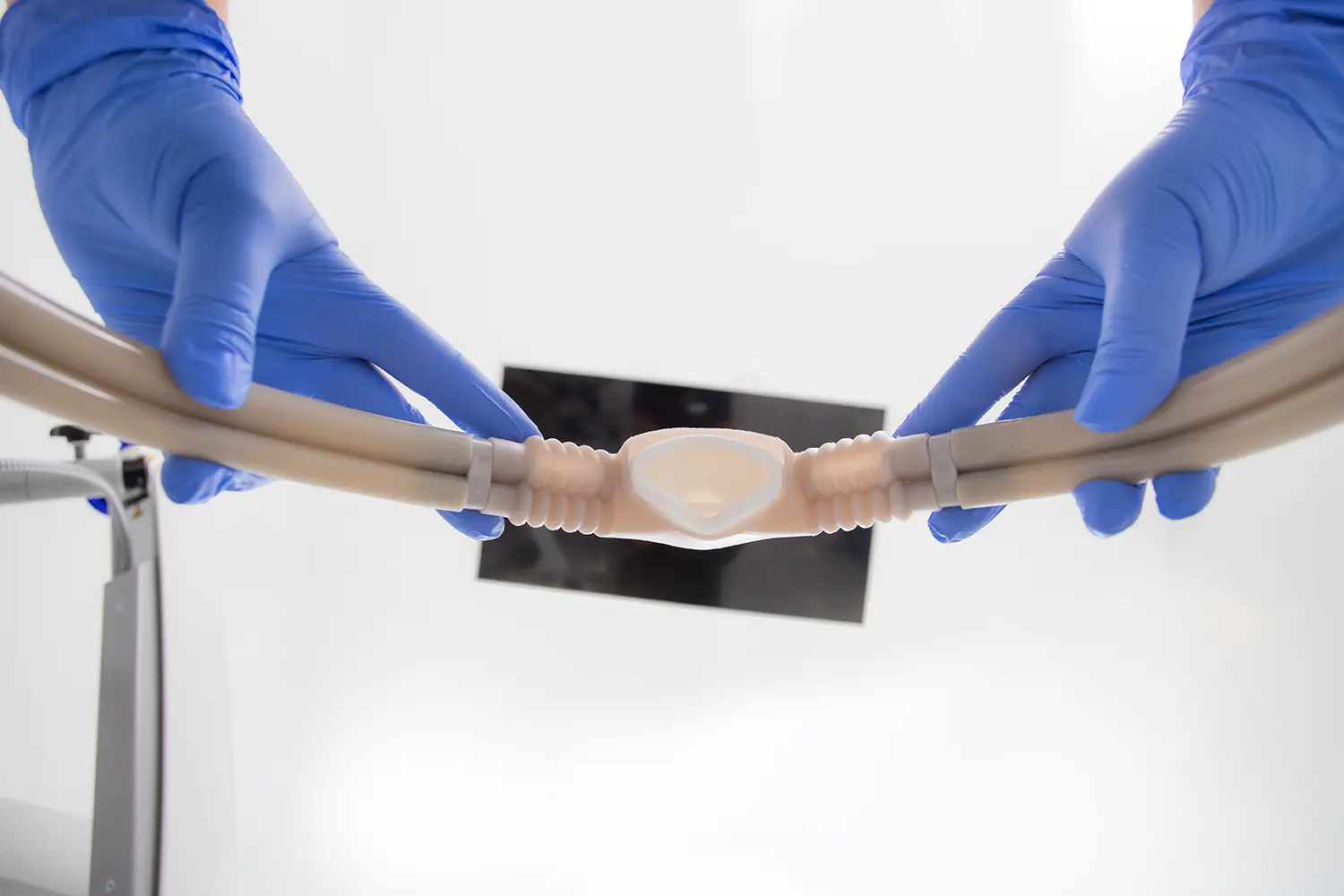
What Is Nitrous Oxide? A Simple Definition for Parents
Nitrous oxide is a mild inhaled sedation used in pediatric dentistry to help children relax during dental treatment. Children remain awake and aware, and the effects wear off quickly once the gas is stopped.
Dentists administer nitrous oxide through a small mask that fits comfortably over the child’s nose. Children are asked to breathe through their nose rather than their mouth so the gas can work effectively. Throughout the visit, the dentist carefully controls the amount delivered.
As the nitrous oxide begins to take effect, children usually feel calm and less anxious. They stay awake, alert, and able to talk with the dentist, which allows treatment to continue safely while easing fear.
Achild who struggles with dental anxiety may relax within a few minutes of breathing nitrous oxide. The child can still answer questions and follow instructions, but the experience feels less overwhelming.
At the end of the appointment, the dentist switches the child back to regular oxygen. The effects of nitrous oxide fade quickly, often within minutes. Most children feel back to normal shortly after leaving the office.
As children grow older and become more comfortable with dental visits, nitrous oxide may no longer be necessary. Pediatric dentists reassess its use over time and adjust care based on each child’s comfort level.
Nitrous oxide does not replace local anesthesia. Dentists still use numbing medicine when needed. The gas simply helps reduce anxiety and sensitivity so treatment feels easier.
What Happens During a Dental Visit With Nitrous Oxide
A visit that includes nitrous oxide follows a clear and predictable process designed to keep children comfortable and safe.
Step by Step What Parents and Kids Can Expect
- The dental team seats the child comfortably and introduces the nose mask. Dentists explain the mask in kid friendly language to reduce fear and build trust.
- The dentist gradually introduces nitrous oxide while the child breathes through their nose. Within a few minutes, many children feel relaxed or calm. They remain awake and can respond to questions or hand signals.
- During treatment, the dentist monitors breathing and comfort while adjusting the gas as needed. This flexibility allows the dentist to respond quickly if a child feels uneasy.
- After the procedure, the dentist removes the mask and provides oxygen. The effects usually fade within minutes.
A child who felt anxious before a dental cleaning may leave the office relaxed and proud of how well they did. Parents often notice their child returns to normal behavior shortly after the visit.
Possible Side Effects and How Dentists Monitor Safety
Most children tolerate nitrous oxide well, but mild side effects can occur. These effects usually resolve quickly after treatment ends.
Possible short term side effects include nausea, dizziness, headache, or brief disorientation. These reactions tend to be mild and temporary. Serious side effects are rare when trained professionals administer the gas.
For instance, a child may feel slightly dizzy right after the mask is removed but feel normal again within minutes. Dentists monitor these reactions closely before allowing the child to leave.
Safety monitoring occurs throughout the visit. Dentists watch breathing patterns, responsiveness, and comfort levels at all times. Parents also provide medical history and information about recent illnesses before treatment begins.
Certain conditions, such as significant nasal congestion, may affect whether nitrous oxide works well on a given day. If concerns arise, the dentist may suggest postponing sedation or discussing other options.
This information is educational and does not replace guidance from a licensed pediatric dentist who is familiar with your child’s health history.
Nitrous Oxide vs Other Sedation Options for Children
Dentists choose sedation based on a child’s needs and the type of dental treatment. Nitrous oxide, oral sedation, and general anesthesia serve different purposes.
Comparison of Pediatric Dental Sedation Options
Nitrous oxide keeps children awake and responsive and wears off quickly. Dentists often use it for mild to moderate anxiety or routine procedures.
Oral sedation involves medication taken before the visit. Children may feel drowsy, and recovery can take several hours. Dentists may recommend it when nitrous oxide alone does not provide enough support.
General anesthesia puts the child fully asleep and is typically reserved for extensive dental treatment or special medical needs. It requires specialized facilities and longer recovery.
A child needing a single filling may do well with nitrous oxide, while a child needing extensive dental work may require a different approach.
Dentists evaluate safety, cooperation, and treatment complexity before recommending sedation. Nitrous oxide often serves as the first option because it offers comfort with minimal disruption.
Frequently Asked Questions About Nitrous Oxide for Children
Yes. Nitrous oxide is considered safe for many children when a licensed pediatric dentist administers and monitors it properly. Dentists evaluate each child’s health history, comfort level, and ability to cooperate before using sedation to ensure it is appropriate for that child.
No. Nitrous oxide does not put children to sleep. Children remain awake, responsive, and able to communicate throughout the dental visit. The goal is to help them feel calm and relaxed, not unconscious, so the dentist can complete treatment safely.
Nitrous oxide wears off very quickly. Once the mask is removed, most children return to their normal state within minutes. This fast recovery allows many children to resume normal activities the same day.
Nitrous oxide has been used in pediatric dentistry for decades and is not associated with long term side effects when used appropriately. Any side effects that occur are typically short lived and resolve quickly after treatment.
Some children may feel unsure about the mask at first. Pediatric dental teams introduce it gently and explain it in age appropriate language. If a child remains uncomfortable, the dentist may pause treatment or discuss alternative options.
Choosing a Pediatric Dentist for Nitrous Oxide in Edison, NJ
The dentist you choose plays a major role in how safe and comfortable nitrous oxide feels for your child. Experience with children and a calm approach matter.
Pediatric dental teams know how to introduce sedation gently and explain it in simple terms. This helps children feel at ease before treatment starts.
For example, a dentist who lets a child see and briefly try the nose mask can reduce fear and improve cooperation during the visit.
Parents should look for clear communication, safety protocols, and a willingness to answer questions. Licensed pediatric dentists in New Jersey follow established safety guidelines when using sedation for children.
In Edison, NJ, many parents choose pediatric dentists who focus on comfort, prevention, and trust. The right environment can make dental visits easier for children and parents alike.
Helpful Next Step
If you have questions about whether nitrous oxide is right for your child, the team at Dentistry for Kids in Edison, NJ can help you understand your options and choose what feels safest and most comfortable for your family.
We're located in North Edison on the border of Clark, Colonia, and Scotch Plains.
We proudly serve Edison, Metuchen, Woodbridge, South Plainfield, Scotch Plains, Westfield, and the surrounding areas.